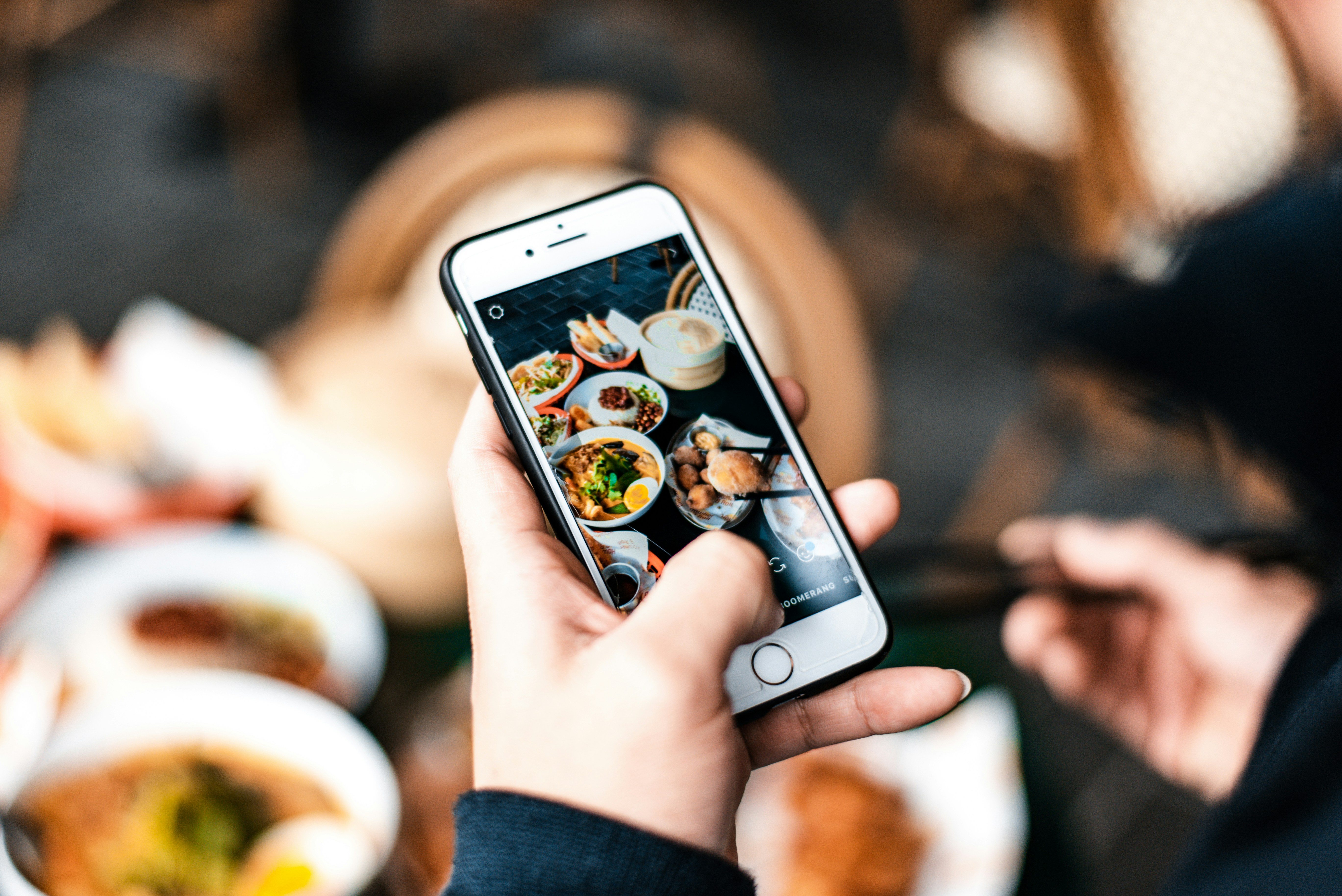
Food Styling Tricks: How to Make Graphics and Textures Pop on Camera
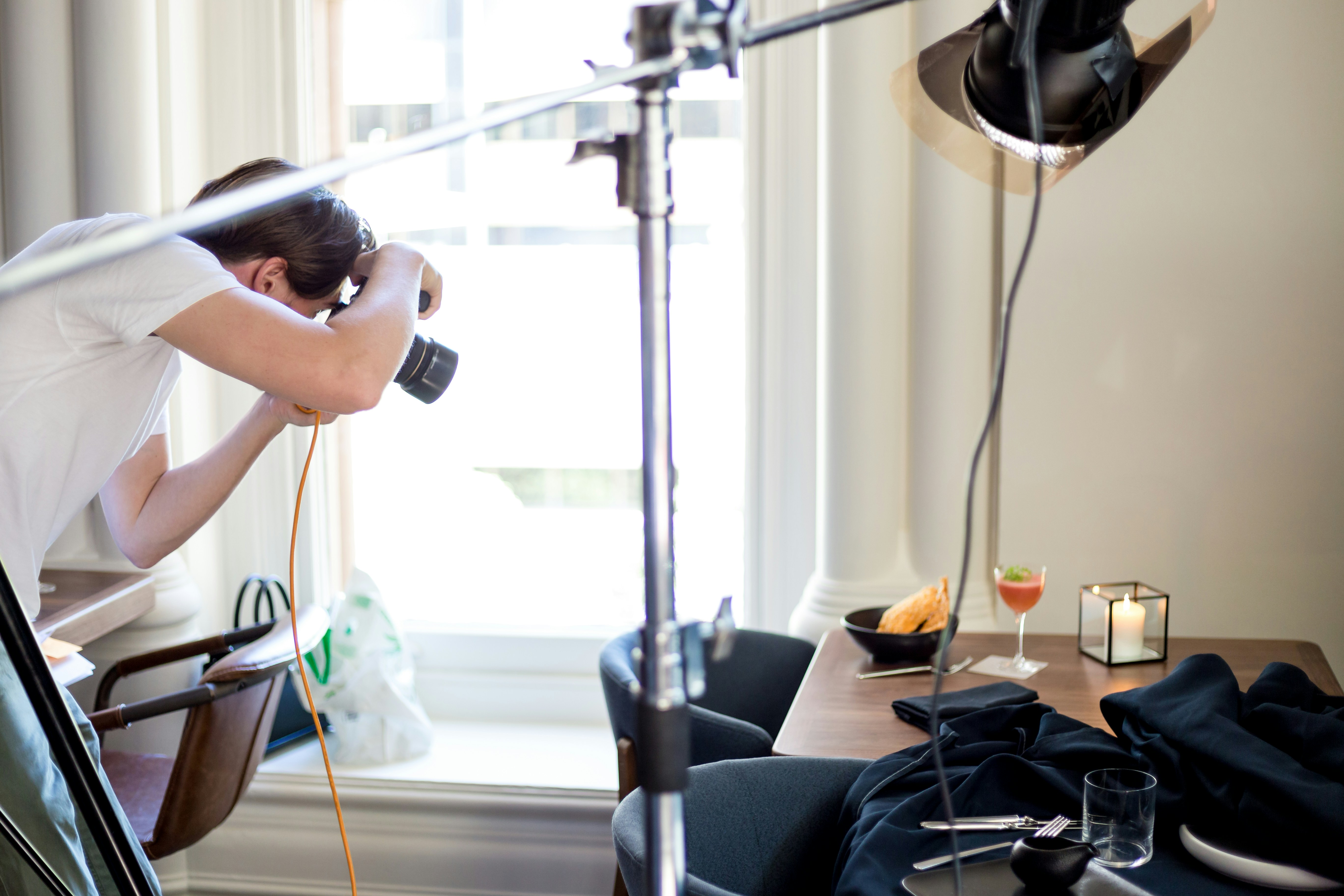
Understanding the Importance of Food Styling
Food styling is an essential aspect of food photography, playing a pivotal role in how culinary creations are perceived through the lens of a camera. This art form is not merely about arranging ingredients in a visually appealing manner; it encompasses a deep understanding of aesthetics and its psychological impact on viewers. When food is styled effectively, it not only elevates the visual appeal but also enhances the overall dining experience.
The psychological impact of well-styled food should not be underestimated. Visually enticing food can evoke emotions and stimulate appetites. When viewers encounter a beautifully styled dish, their brains are prompted to associate quality and taste with the appealing image. This connection is particularly significant in the digital age, where social media platforms are flooded with images competing for attention. Styled food photography can captivate viewers, encouraging them to engage with the content by liking, sharing, or commenting. Consequently, such visuals are crucial for marketing strategies, as they play a fundamental role in attracting potential customers.
Successful examples of food photography underscore the transformative effect of styling. Take, for instance, a simple bowl of pasta. Unstyled, it may appear bland and unappetizing; however, by thoughtfully arranging the ingredients, utilizing appropriate props, and employing the right lighting techniques, the dish can be turned into a vibrant feast for the eyes. Styled food can communicate stories, culture, and experiences through its presentation, enabling it to resonate with viewers more profoundly.
In the competitive landscape of culinary presentation, food styling serves as a bridge between the creation of the dish and the viewer’s perception, making it an indispensable element for both photographers and chefs alike.
Essential Tools and Equipment for Food Styling
Food styling requires a unique set of tools and equipment that can significantly enhance the visual appeal of any dish. To begin with, having sharp knives and a versatile cutting board is essential. These tools not only aid in precise food preparation but also contribute to a polished presentation. Slicing fruits and vegetables cleanly allows their colors and textures to emerge, making them more photogenic.
Next, consider investing in various utensils such as tweezers, small brushes, and spatulas. Tweezers can be particularly useful for arranging delicate garnishes or microgreens that require a careful touch. A small brush can help paint sauces or oils onto food surfaces to elevate their sheen and vibrancy. Additionally, a good set of spatulas ensures you can move components of the dish without disturbing their arrangement.
Props play a crucial role in food styling. Choose plates, bowls, and utensils that complement the food’s colors and textures. Neutral-colored backdrops often work best, as they allow the food to take center stage. Experimenting with different materials, such as wood, ceramic, or glass, can create varied aesthetics. In terms of backdrops, using textured backgrounds like linen, marble, or natural wood adds depth to the images.
Lighting is another pivotal aspect of effective food styling. Natural light is generally preferred, as it highlights the food’s characteristics without harsh shadows. Positioning the food near a window can create that perfect glow. For indoor setups lacking natural light, using softbox lights or LED panels can replicate that inviting ambiance.
In essence, the right combination of tools, props, and lighting transforms standard food presentations into stunning works of art designed for the camera. By thoughtfully selecting and utilizing these essentials, food stylists can create captivating images that not only represent the dish but also tell a story through visual appeal.
Techniques to Enhance Texture and Graphics in Food Photography
Enhancing the texture and graphic elements in food photography plays a pivotal role in making images visually appealing. To achieve this, one effective technique is layering. By stacking elements of the dish, such as ingredients or garnishes, photographers can create depth and dimension within the frame. This technique draws the viewer’s eye, enticing them to explore the composition further. Using asymmetrical layering can also introduce an organic feel, which enhances the overall aesthetic of the photograph.
Utilizing contrasting colors is another essential strategy in food styling. Vibrant hues can serve to emphasize the freshness and healthiness of the ingredients, while neutral tones can allow the food to be the focal point. For example, pairing bright, colorful vegetables with a muted plate can create a compelling visual contrast. Additionally, incorporating natural materials such as wooden boards or textured fabrics as backdrops can further elevate the graphic elements of the image, adding a rustic charm.
Moreover, manipulating light and shadow is crucial for achieving dramatic effects in food photography. Natural light, particularly during golden hour, can create a soft, flattering glow around the food, enhancing its textures. Conversely, strategic use of shadows can add depth, making the image more dynamic. Using reflector boards can help bounce light onto certain areas of the dish, highlighting its features without overwhelming the natural beauty of the food.
In summary, by implementing techniques such as layering, contrasting colors, and careful lighting, photographers can significantly enhance the texture and graphics of food in their images. Each technique, thoughtfully applied, contributes to a narrative that captivates and engages the viewer, ensuring that the food not only looks appetizing but also tells a story through its visual presentation.
Post-Production Editing Techniques for Food Photography
In the realm of food photography, post-production editing plays a vital role in ensuring that the finished images stunningly showcase the textures and graphics of the food. Utilizing digital editing software such as Adobe Photoshop or Lightroom can allow photographers to enhance their images through a variety of techniques. One of the most fundamental methods is adjusting brightness and contrast. By fine-tuning these settings, photographers can create a more dynamic image, making the key elements pop more vividly against the background.
Color correction is another essential aspect of post-production that can significantly impact how food appears on screen. In many cases, food may not flash its true colors during the initial shot, owing to lighting conditions or camera settings. Digital tools offer sliders for adjusting hue, saturation, and luminance, which can be instrumental in bringing out the vibrant colors of ingredients. Properly executed color correction ensures that the imagery is not only appealing but also accurately reflects the dish’s real-life appearance.
Moreover, sharpening techniques can enhance details and textures within the food images. This is particularly effective for ingredients like herbs, sauces, or baked goods, where texture is paramount. Applying sharpening filters can help highlight intricate details, providing a more visually enticing image overall. As an added layer of sophistication, maintaining a consistent visual style is crucial in aligning photography with branding. Creating presets in editing software can streamline the workflow and ensure that all photographs retain a harmonious look, reinforcing the identity of the brand. By mastering these editing techniques, food photographers can significantly elevate the quality of their imagery, transforming it into a compelling visual narrative.