The Best Budget Lenses for Food Photography

Introduction to Budget Lenses for Food Photography
In the realm of food photography, the lens is one of the most crucial components that can significantly influence the visual appeal of your images. However, the misconception that only expensive, high-end lenses can produce stunning food photographs often deters budding photographers. Budget lenses can offer exceptional performance without breaking the bank and serve as an accessible option for those looking to elevate their food photography skills.
When seeking the best budget lenses for food photography, it is vital to strike a harmonious balance between cost and quality. Several budget-friendly lenses have been designed specifically to meet the demands of capturing intricate details and vibrant colors, essential aspects of food photography. For instance, prime lenses often provide sharpness and clarity that can rival their pricier counterparts, making them a wise choice for food enthusiasts working within a budget.
The critical factor in achieving high-quality food images lies in understanding how to maximize the capabilities of your chosen lens. The focal length, aperture, and overall build of a budget lens can significantly impact the depth of field, allowing photographers to create captivating images that emphasize the texture and presentation of various dishes. Moreover, the right lens can help bring out the food’s color vibrancy and enhance its visual allure, qualities that are essential for enticing viewers.
In conclusion, aspiring food photographers should recognize that great photography does not necessitate exorbitant investments. With the right budget lens, photographers at any skill level can skillfully capture the beauty of food, transforming simple dishes into exquisite visual narratives. The choice of lens is critical, as it directly influences the aesthetic outcome of your food photography endeavors.
Understanding the Essential Features of Food Photography Lenses
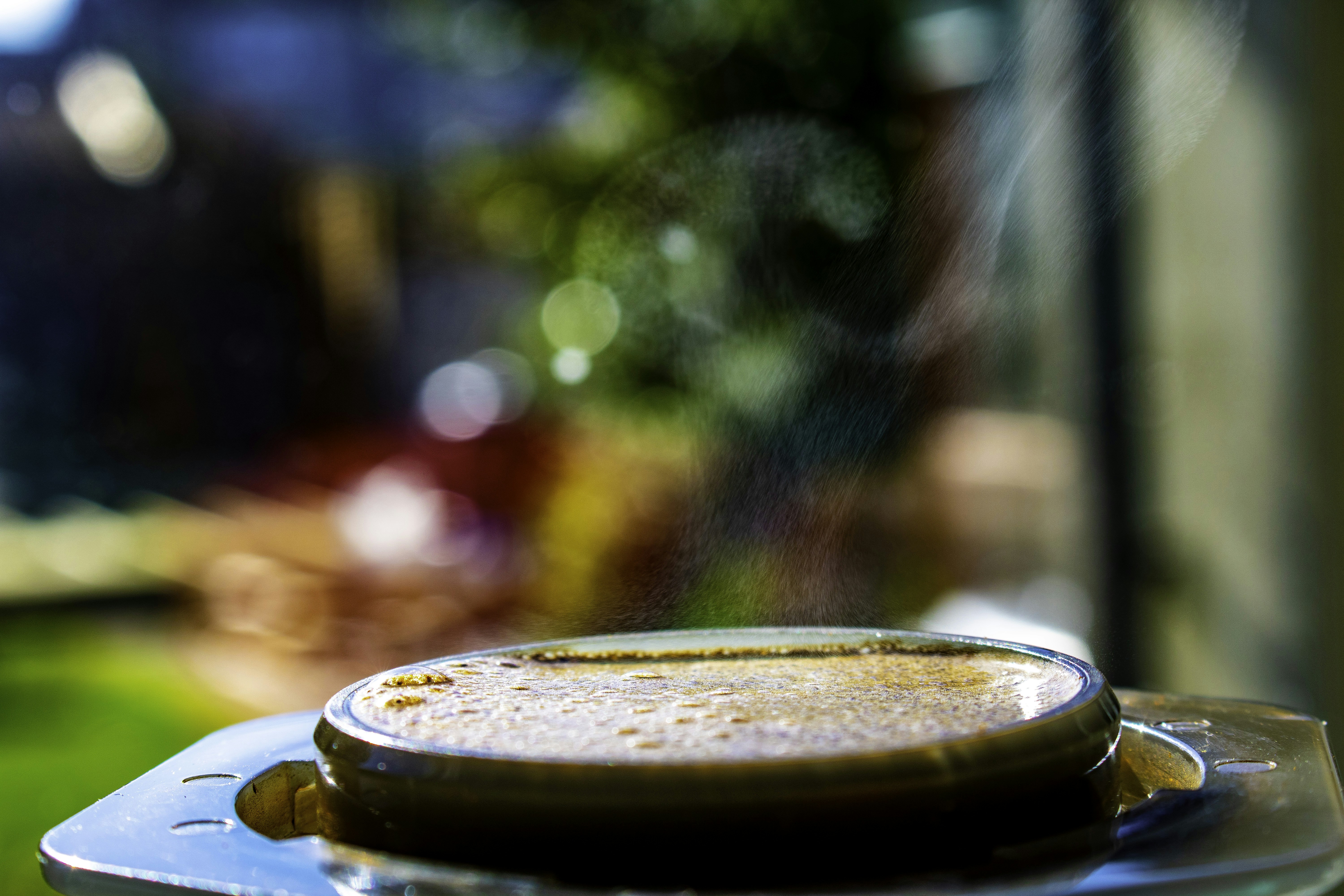
When choosing a lens for food photography, several key features must be considered to ensure optimal image quality and versatility. The first and perhaps most crucial feature is the aperture size. A lens with a wide maximum aperture, such as f/1.8 or f/2.8, allows for better light intake, enabling photographers to capture sharp images in low-light situations. A wider aperture also provides a shallow depth of field, which helps isolate the subject, creating a pleasing bokeh effect that enhances the visual appeal of the food.
Focal length is another essential aspect to consider. Lenses with a focal length ranging from 35mm to 100mm are typically ideal for food photography. A 50mm lens, often recommended for its versatility, is great for capturing standard shots, while a macro lens can offer incredible detail in close-up images of food. This brings us to the next feature worth noting: macro capabilities. Macro lenses allow photographers to get remarkably close to their subjects, revealing textures and details that may not be visible with standard lenses. Thus, for food photography enthusiasts aiming for striking detail, investing in a macro lens or a lens with macro capabilities can be beneficial.
Image stabilization is another crucial feature that can significantly enhance food photography. This technology helps reduce blurriness caused by camera shake, especially when shooting handheld. While many budget lenses might not offer advanced stabilization, those that do can provide steady shots in various lighting conditions, further improving the overall quality of food images.
When selecting a budget lens for food photography, it is pivotal to consider these features—aperture size, focal length, macro capabilities, and image stabilization. By understanding how these elements affect image quality, photographers can make informed choices that will elevate their food photography while staying within budget.
Prime vs. Zoom Lenses: Which is Better for Food Photography?
When it comes to food photography, the choice between prime and zoom lenses can significantly influence the quality of your images. Both lens types come with their unique advantages and disadvantages, making them better suited for different shooting scenarios.
Prime lenses are known for their simplicity and often feature larger maximum apertures, which allows for impressive depth-of-field effects and superior low-light performance. For instance, the popular 50mm f/1.8 lens is an affordable option that creates beautifully blurred backgrounds (bokeh) while maintaining exceptional sharpness. This makes it ideal for close-up shots of ingredients or finished dishes, ensuring every detail is crisp and clear.
However, prime lenses have limited focal lengths, requiring photographers to physically move closer or further away from their subjects to reframe shots. They are particularly effective in controlled environments, such as a home kitchen or restaurant, where the layout allows for flexibility.
On the other hand, zoom lenses provide the versatility that many food photographers desire. With a range of focal lengths, such as the popular 24-70mm f/2.8, these lenses allow for quick adjustments to composition without needing to change lenses. This feature is invaluable when working in bustling dining settings or confined spaces where movement is restricted. While zoom lenses might not deliver the same level of sharpness as prime lenses, many modern options have improved significantly and can still yield stunning results.
Ultimately, the choice between prime and zoom lenses depends on the specific requirements of your food photography style. For those focused on composition and artistic effects, prime lenses often shine. Conversely, if you prioritize flexibility and adaptability, a zoom lens may be the best budget-friendly option. Evaluate your shooting conditions and personal preferences to determine the lens that best suits your needs.
Top Budget Lenses for DSLR Cameras
When it comes to food photography, having the right lens is essential for capturing the delectable details of your dishes. Fortunately, there are several budget-friendly options available for DSLR cameras that perform exceptionally well in this genre. Below are some highly recommended lenses that consistently receive accolades from food photographers.
1. Canon EF 50mm f/1.8 STM – Priced around $125, this lens is revered for its sharpness and beautiful bokeh. The wide aperture of f/1.8 allows for excellent depth-of-field control, making it ideal for isolating food subjects against softly blurred backgrounds. It’s lightweight, making it convenient for both indoor and outdoor shoots.
2. Nikon AF-S DX Nikkor 35mm f/1.8G – This lens retails for approximately $200 and is regarded as one of the best choices for Nikon users aiming to enhance their food photography. Its versatile 35mm focal length is perfect for close-ups as well as wider shots, and the f/1.8 aperture provides excellent low-light performance and subject separation.
3. Sigma 17-50mm f/2.8 EX DC OS HSM – With a price tag near $400, this lens is a bit higher on the budget spectrum but offers a constant aperture of f/2.8 throughout the zoom range. This feature makes it highly versatile for a variety of food photography styles. The lens also features Optical Stabilization, which is beneficial for handheld shooting.
4. Tamron 28-75mm f/2.8 Di III RXD – Retailing for around $600, this lens is a great option for those who own full-frame DSLRs. Known for its image quality and fast autofocus, the 28-75mm range provides excellent flexibility for various compositions, from detailed close-ups to well-composed overhead shots.
Each of these lenses has unique strengths that can help elevate your food photography without straining your budget. When selecting a lens, consider the style of food photography you wish to pursue to ensure you find the best fit for your needs.
Best Budget Lenses for Mirrorless Cameras
When it comes to food photography, mirrorless cameras have gained significant popularity due to their compact design and impressive performance. Accompanying these cameras with budget-friendly lenses can boost your culinary visuals without breaking the bank. In this section, we will explore some of the best budget lenses specifically designed for mirrorless systems, focusing on key features and performance.
One standout option is the Canon EF-M 28mm f/3.5 Macro IS STM, renowned for its close-up capabilities and image stabilization. This lens allows photographers to capture intricate details of food items, ideal for macro shots which often enhance textures and presentation. Compatible with Canon’s mirrorless range, it delivers sharp images while remaining lightweight, making it perfect for on-the-go shooting.
Similarly, the Sony E 35mm f/1.8 OSS offers excellent low-light performance and a fast aperture, making it a strong choice for food photography, especially in dimly lit restaurants or cozy kitchens. With its versatile focal length, it allows for both wide shots and intimate close-ups, showcasing food in a creative manner. The Optical Steady Shot further stabilizes images, reducing blurriness.
Additionally, for those using Fujifilm cameras, the Fujinon XC 35mm f/2 is an affordable lens capable of delivering high-quality images. The fast aperture enhances performance in low light and offers beautiful bokeh effects, ideal for isolating dishes against a softly blurred background.
Incorporating these budget lenses into your mirrorless camera setup can significantly enhance your food photography. Each lens offers unique features that cater to various shooting conditions and styles, allowing enthusiasts and professionals alike to capture stunning culinary artistry. Considering compatibility and performance features will further maximize their potential, paving the way for remarkable food imagery without an extravagant investment.
Examples of Stunning Food Photography Using Budget Lenses
Food photography has gained substantial popularity, with aspiring photographers often seeking the best budget lenses to achieve professional-looking results. Interestingly, stunning food photos can be captured using budget lenses, proving that creativity and skill can compensate for equipment limitations. Below, we explore a few examples that highlight the efficacy of budget lenses in food photography.
One compelling image captures a beautifully arranged breakfast spread featuring pancakes, fresh fruits, and coffee. Utilizing a 50mm f/1.8 lens, the depth of field effectively blurs the background, allowing the vibrant colors of the food to stand out. The aperture was set at f/2.8, which not only enhanced the sharpness of the pancakes but also added an inviting warmth to the overall composition, showing how an affordable lens contributed to the final image.
Another striking example features a close-up shot of a salad bowl with assorted greens and vivid vegetables. Shot with a 35mm f/2 lens, the camera settings were adjusted to a narrow aperture of f/5.6 to ensure more of the scene remained in focus. This lens choice fostered an impressive sharpness across the entire frame while effortlessly highlighting the textures of the ingredients, demonstrating how budget lenses can yield excellent detail and clarity.
Additionally, a colorful array of desserts, such as cupcakes and pastries, benefits from a 24mm f/2.8 lens. The photographer utilized natural lighting, but the lens helped emphasize the textures and colors of the sweet treats, making the image look vibrant and appetizing. With the camera set to a lower ISO of 100, the final result achieved a clean and crisp image, showcasing how choosing the right budget lens can make a significant difference in the quality of food photography.
Overall, these examples illustrate that with a keen eye for composition, paired with appropriate budget lenses, photographers can create stunning food images that capture the essence and appeal of the culinary delights, proving that high-quality food photography is achievable without breaking the bank.
Tips for Maximizing Your Budget Lens for Food Photography
When working with budget lenses for food photography, there are essential techniques and strategies that can enhance the quality of your images. Effective use of lighting, composition, camera settings, and post-processing can significantly improve your outcomes while ensuring you stay within budget.
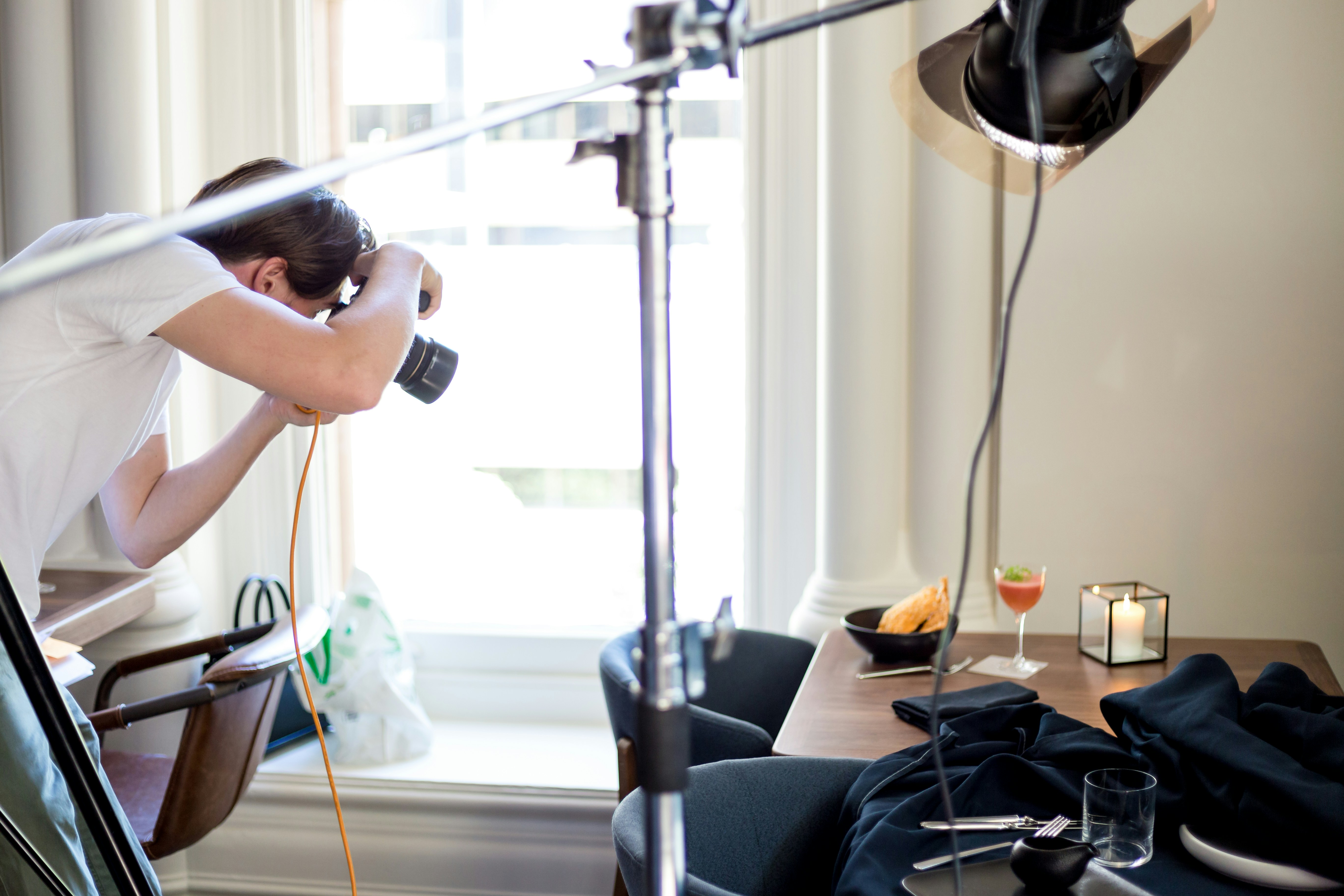
First, pay attention to lighting. Natural light is highly advantageous for food photography, especially during golden hours, which provide a warm, flattering glow. Position your dish near a window where indirect sunlight can illuminate it. Avoid harsh shadows by using reflectors, which can be created with simple materials like white cardboard or aluminum foil to bounce light back onto your subject. If shooting indoors without sufficient natural light, consider utilizing affordable artificial light sources; softbox lights or diffused lamps can work wonders.
Composition is critical in food photography. Remember the rule of thirds, positioning the main subject off-center to create a more engaging photograph. Experiment with different angles; overhead shots reveal the layout of dishes well while a 45-degree angle can highlight the depth and textures. Additionally, incorporate complementary props, such as utensils, napkins or even ingredients used in the dish, to create a visually appealing scene without incurring significant costs.
Regarding camera settings, take full advantage of your lens’s capabilities. Use a wider aperture (low f-stop number) to achieve a shallow depth of field, which blurs the background and draws attention to the food. Optimize your shutter speed to eliminate motion blur, particularly in low-light situations. If your budget lens lacks advanced features, focus on achieving stable shots using a tripod or a stable surface.
Lastly, do not underestimate the power of post-processing. Software like Adobe Lightroom or free alternatives such as GIMP can help enhance your images. Adjust the brightness, contrast, and colors to make your food photos more vibrant and appealing. Simple edits can dramatically elevate the final results, highlighting your culinary creations beautifully, irrespective of the lens you used.
User Experiences: Testimonials and Reviews of Budget Lenses
Many amateur and professional photographers have ventured into food photography with budget lenses, unearthing a plethora of positive experiences that underscore their effectiveness. One enthusiastic user, Emma, a food blogger, noted, “I was skeptical about using a budget lens, but it truly transformed how I capture my dishes. I’ve been able to achieve stunning depth of field, which is essential for highlighting the textures of ingredients. It was a game-changer for my photography!” This sentiment is echoed by various photographers who have found remarkable results without breaking the bank.
Likewise, James, a professional photographer, shared his thoughts, stating, “Budget lenses have allowed me to experiment more freely with food styling and composition without worrying about the cost. I was surprised by the quality and sharpness of the images produced. It proves that you don’t need the most expensive equipment to create impactful visuals.” This clearly illustrates how budget-friendly options can enhance creativity in food photography, enabling photographers to push boundaries without financial restraint.
Additionally, Sarah, an amateur photographer, emphasized the accessibility of these lenses, saying, “I never thought I could achieve professional-level images on a budget. With my 50mm f/1.8 lens, I can now create vibrant images that make my food pop! It has invigorated my passion for photography and instilled a sense of confidence.” These testimonials vividly highlight the efficacy and results that budget lenses can provide, making them an excellent choice for those passionate about capturing culinary delights.
Conclusion: Making the Right Choice for Budget Lenses
In the realm of food photography, selecting the appropriate budget lens can significantly influence the overall quality of your images. It is essential to understand that the right lens does not merely enhance clarity and focus but also enriches the creative expression in your food photography endeavors. Investing in a budget lens tailored to your style allows photographers to achieve both affordability and versatility.
As you navigate through numerous options, it is vital to contemplate your personal photography needs. Consider factors such as the types of dishes you frequently capture, the lighting conditions, and the desired depth of field. Experimenting with various budget lenses will help you discern which features resonate best with your artistic vision. Each lens may offer unique characteristics that can transform your food photos, adding distinct flavors to your work.
Ultimately, while the technical aspects of photography are essential, the spirit of food photography lies in creativity and passion. Leverage the budget lenses available to you to explore new angles, compositions, and styles. Whether you are using a prime lens known for its sharpness or a macro lens for close-up shots, engage with your subject matter and allow your imagination to flourish. Remember that captivating food photography is less about expensive equipment and more about the heart and soul you bring into each shot.
In summary, when selecting budget lenses for food photography, prioritize your individual creative needs and remain open to experimenting with different tools. With the right mindset and approach, you can elevate your food photography while remaining within your budget constraints.