How to Use Natural Light for Food Photography: 7 Essential Tips
Understanding Natural Light and Its Importance in Food Photography
Natural light refers to the illumination provided by sources that are not artificially produced. The most commonly recognized source of natural light is sunlight, which can vary in intensity and quality based on the time of day, weather conditions, and surrounding environment. Unlike artificial light, which is often harsh and can create undesirable shadows, natural light tends to have a softer and more diffused quality, making it a preferred choice for food photography.
The importance of natural light in food photography cannot be overstated. It plays a crucial role in highlighting the mood, texture, and colors of food items. The warm and inviting tones of sunlight can amplify the visual appeal of various dishes, thereby inviting consumers to engage with the imagery. When natural light is used effectively, it can bring out the vibrant colors of fresh ingredients, create appealing shadows, and enhance the details that make food photography captivating.
Food photographers often gravitate towards natural light as it provides a more authentic representation of food, capturing it in its true form. This authenticity is essential when attempting to convey the taste and freshness of a dish. For instance, the golden hour, which occurs shortly after sunrise and before sunset, offers a unique softness and warmth that can dramatically enhance the photographs. This natural light can transform a simple image into a striking visual story, making the food appear not only appetizing but also irresistible.
In conclusion, utilizing natural light in food photography is vital for achieving beautiful and enticing images. It not only enhances the aesthetic quality but also conveys a sense of authenticity and warmth that resonates with viewers. Understanding how to work with this natural element can significantly elevate the quality of food photography, making it an essential skill for any food photographer to master.
Identifying the Best Times and Locations for Natural Light Shooting
When it comes to food photography, the quality of natural light is essential for capturing vibrant and appetizing images. To maximize the impact of your photographs, understanding the best times of day for shooting is critical. One of the most sought-after periods for photographers is known as the golden hour, which occurs shortly after sunrise and just before sunset. During these times, the sun provides a warm, soft light that enhances the textures and colors of food, creating inviting and rich visual compositions.
Additionally, overcast conditions offer another excellent opportunity for food photography. The diffuse light on these days minimizes harsh shadows and highlights, resulting in an evenly lit scene that is particularly flattering for food items. These soft light conditions can create a more controlled and subtle effect, which is highly desirable for enticing food photography.
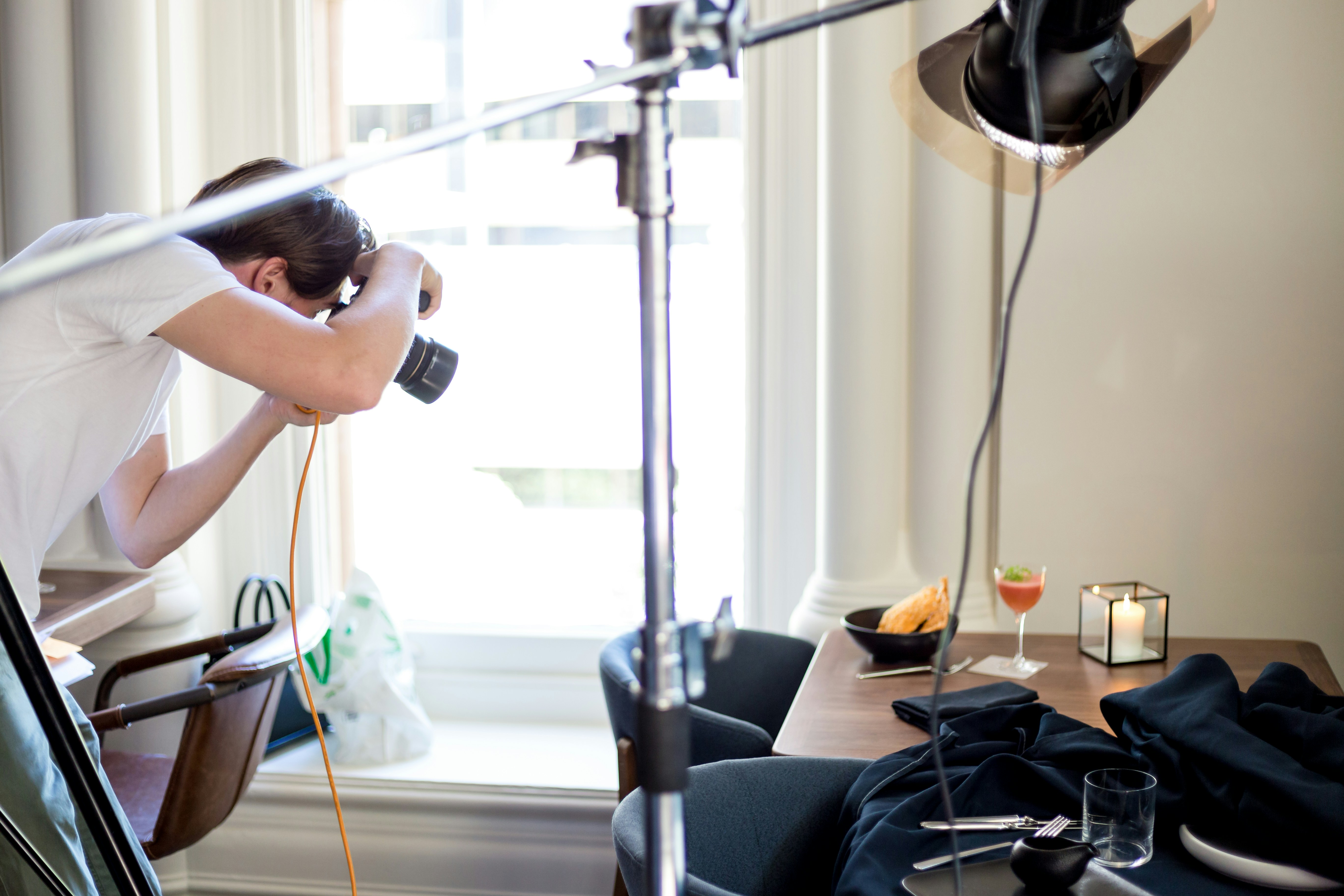
When scouting for shooting locations, two primary areas often stand out: near windows and outdoor spaces. Shooting by a window allows for ample natural light to flood in while providing added interest with the surrounding elements of your home environment. If you choose to shoot outside, consider locations with ample shade, as this can provide soft, diffused natural light without the harshness of direct sunlight.
Ultimately, advance scouting of various locations can prove advantageous. By observing how light changes throughout the day in different environments, you can pinpoint ideal spots that will enhance your food photography. By recognizing the patterns of light across different times—whether the warm glow of golden hour or the calmness of an overcast day—you can significantly elevate the aesthetic quality of your food images, leading to stunning and mouth-watering results.
Utilizing Reflectors and Diffusers for Enhanced Lighting
Effective use of natural light is crucial in food photography, and reflectors and diffusers serve as indispensable tools in shaping that light. By understanding how to manipulate these elements, photographers can elevate the quality of their food images significantly. Reflectors are symbols of resourcefulness; they help to bounce natural light onto subjects, illuminating details that might otherwise go unnoticed.
Many practical household items can be repurposed as reflectors. For instance, white poster boards, aluminum foil, or even mirrors can be strategically placed to redirect light onto the food. Positioning these reflectors at varying angles can create distinct highlights and shadows, enhancing the textural quality of the food. When using reflectors, consider the direction and intensity of the natural light source. Aim for a soft bounce from the reflector to avoid overly harsh contrasts that can detract from the food’s appeal.
On the other hand, diffusers play a critical role in altering the quality of incoming light. They work by softening direct sunlight, which can often be too harsh for food photography, creating unwanted glare and shadows. A simple way to diffuse light is by using sheer white curtains, a piece of white fabric, or even a professional diffuser. Placing these between the sunlight and the food will create a subtle, even light that enhances the color and freshness of the dish, making it look more appetizing.
Incorporating reflectors and diffusers into food photography not only improves the quality of the images but also allows for more control over the lighting environment. By experimenting with different materials and setups, photographers can discover unique lighting effects that highlight the food’s qualities, resulting in an inviting and visually appetizing composition.
Experimenting with Angles and Compositions to Maximize Natural Light
In food photography, the way natural light interacts with your subject can significantly influence the quality of your images. To truly harness the beauty of natural light, it is essential to experiment with different angles and compositions. Shooting from various heights and perspectives can provide unique visual interest and highlight the textures and details of the food.
Start by considering both high and low angles. A top-down shot can beautifully capture the arrangement of ingredients, making it particularly effective for flat lays. In contrast, shooting from a lower angle may showcase the layers and textures of layered dishes, creating a depth that engages the viewer. Explore dynamic compositional techniques, such as the rule of thirds, to guide the viewer’s eye through the frame and emphasize the natural elements illuminated by light.
Additionally, observe how natural light changes the appearance of food at different times of the day. Morning light might render a softer, gentler tone, while the late afternoon sun can create dramatic shadows that add dimension to your images. Understanding these nuances will enable you to adjust your shooting angle accordingly, ensuring that the natural light enriches rather than overwhelms. Fine-tuning your compositions to emphasize light and shadow interplay can enhance the vibrancy and appeal of your photographs.
Creative exploration should also extend to the placement of your food. Incorporating elements of your environment—like wooden surfaces, textured fabrics, or contrasting backgrounds—can further accentuate the effects of natural light. Ultimately, connecting all these factors will help you develop a signature style in your food photography, allowing natural light to play a central role in your artistic expression while inviting viewers into the culinary scene you have created.