The Ultimate Guide to Composition in Food Photography: Rule of Thirds and Beyond
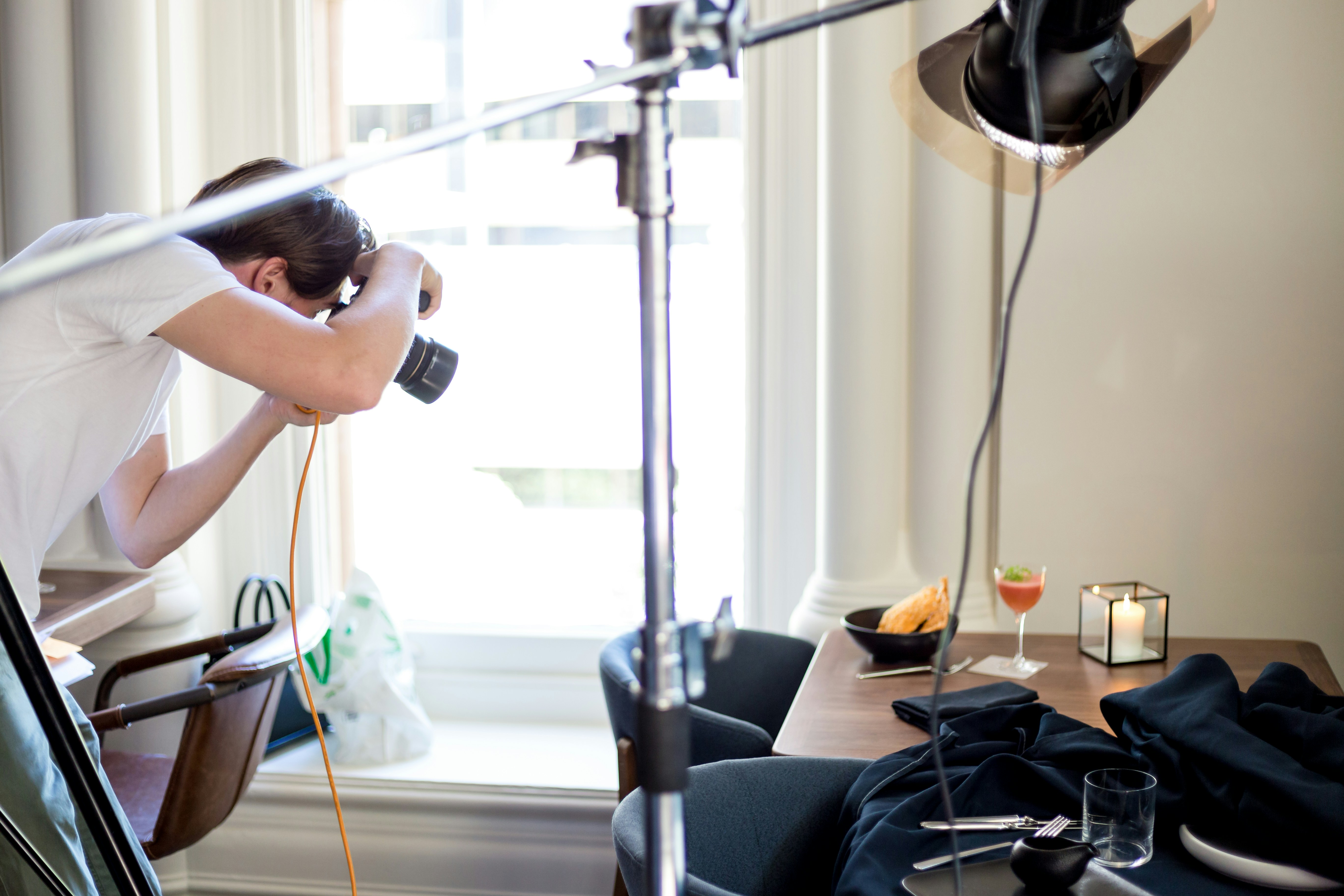
Understanding Basic Composition in Food Photography
Composition is a fundamental aspect of food photography that determines how the elements within a frame interact with one another to create visual interest and storytelling. A well-composed image not only captures the subject effectively but also enhances its appeal through balance and harmony. Central to grasping these principles is the idea of framing, which involves selecting the correct borders and layout for the shot. Proper framing draws attention to the focal point while guiding the viewer’s eye across the entire image.
Another critical concept in food photography is the use of negative space. By intentionally leaving portions of the frame empty, photographers can create a sense of balance and contrast. Negative space helps to highlight the food elements while preventing the image from feeling cluttered, thus enriching the visual narrative. This perspective is essential in food photography, where the dish must shine without excessive distraction from surrounding elements.
The rule of thirds is a foundational guideline that emerges when discussing composition. This rule suggests that dividing the frame into a 3×3 grid allows for more dynamic arrangement. Placing the main subject along these lines or at their intersections can create greater tension and interest than centering the subject. By adhering to the rule of thirds, photographers can elevate their food images, making them more engaging and memorable.
Moreover, understanding the interplay between various compositional elements enables photographers to craft images that resonate with their audience. This includes considerations such as lighting, colors, and textures, which contribute to the overall quality of the photographs. The journey into food photography composition is an evolving process, where mastering these basics offers a strong foundation for further exploration of advanced techniques.
The Rule of Thirds: A Deep Dive
The rule of thirds is a fundamental principle in photography that significantly enhances the compositional quality of an image, including in the niche of food photography. Originating from classical art, this technique involves dividing an image into nine equal segments by using two equally spaced horizontal lines and two vertical lines. This grid serves as a guide for strategically positioning the key elements within a frame.
When applied to food photography, the rule of thirds encourages photographers to place the main subject—such as a beautifully plated dish—along these lines or at their intersections. This positioning not only creates a more visually dynamic image but also draws the viewer’s eye to the most important aspects of the composition. For instance, a bowl of soup might be situated at one intersection, while a delicate garnish could reside at another, enhancing the overall appeal.
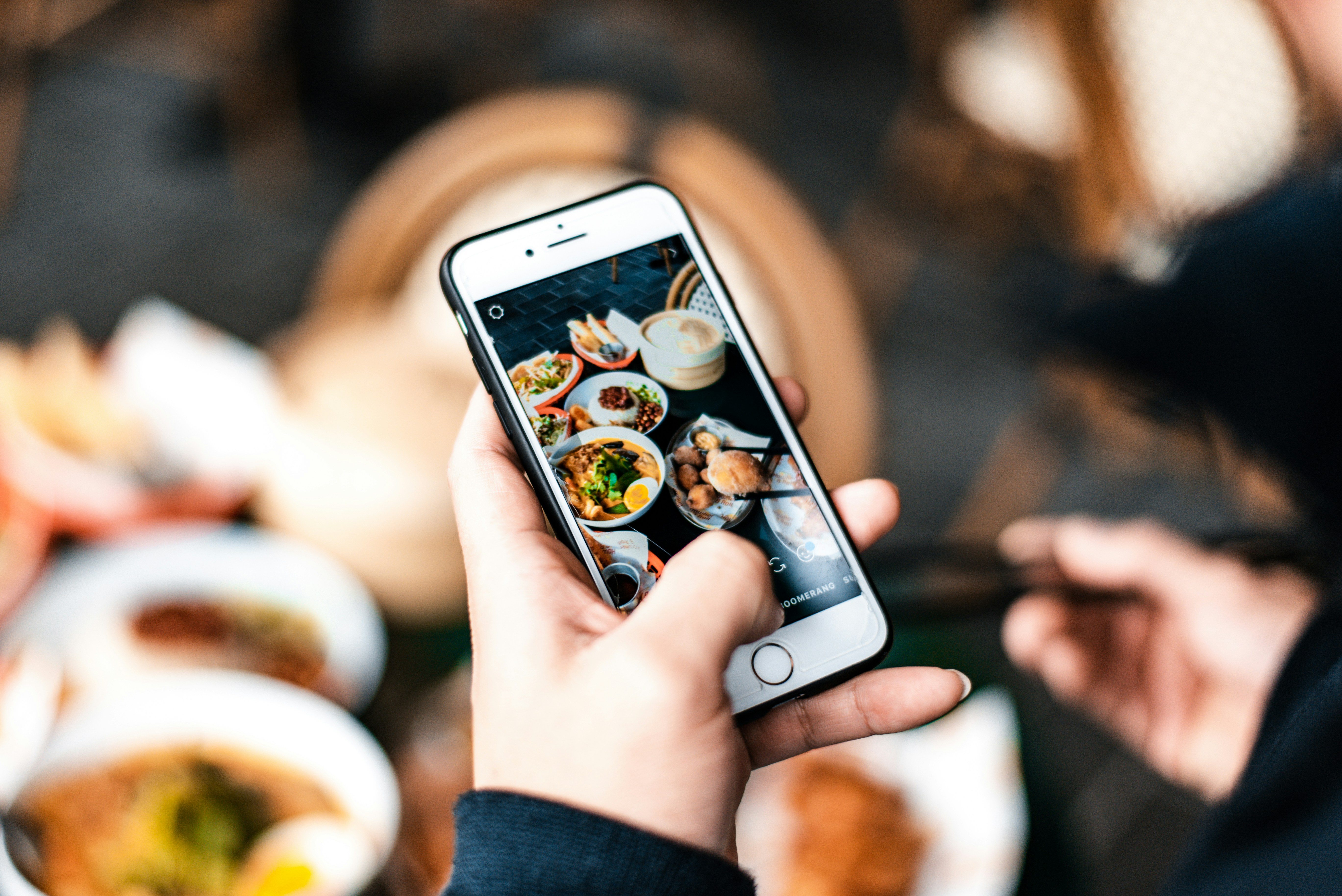
Visualizing the grid before shooting can take some practice. Many digital cameras and smartphones offer an option to overlay the rule of thirds grid on the screen, making it easier for photographers to align their subjects correctly. As you compose your images, consider how different placements affect the balance and interest of your photograph. Note that the rule is not meant to be rigid; sometimes, breaking it can lead to compelling results.
To overcome common challenges, such as cluttered backgrounds or uneven lighting, consider simplifying your compositions by eliminating distractions. A clean background can highlight the food elements, allowing for a more effective application of the rule of thirds. Experimentation is key, so try different angles and layouts until you find what best captures the essence of the dish.
Overall, mastering the rule of thirds can significantly elevate your food photography, making your images not only more aesthetically pleasing but also more likely to engage your audience.
Advanced Composition Techniques for Food Photography
While the rule of thirds serves as an excellent foundation for food photography composition, there are several advanced techniques that can elevate your images to a professional level. These methods include leading lines, framing, and symmetry, each contributing to a more visually engaging photograph.
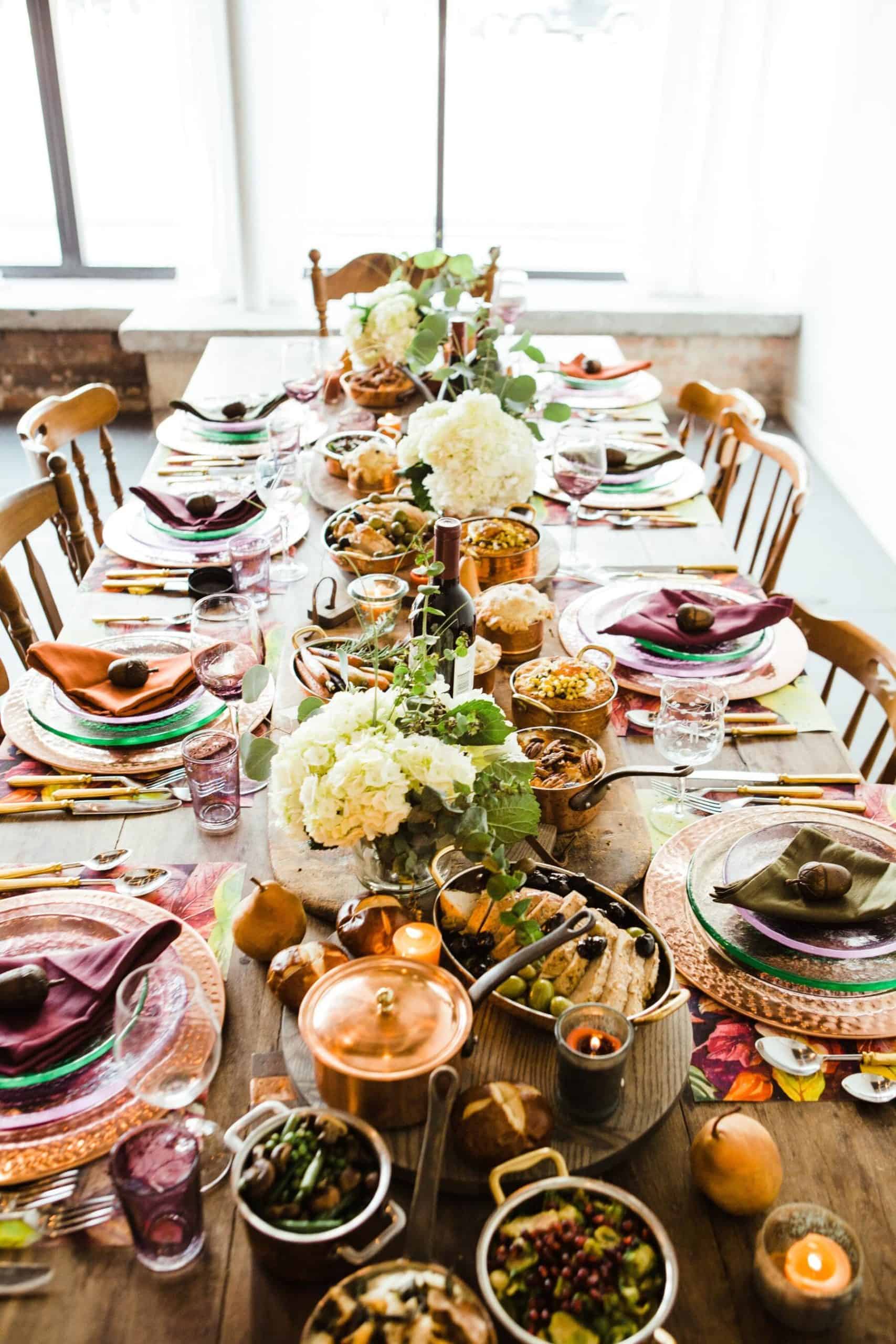
Leading lines direct the viewer’s eye toward the center of interest within the composition. In food photography, this can mean arranging utensils, textures, or contrasting elements in a way that guides the gaze. For example, a beautifully set table can utilize the edges of a tablecloth or decorative items to draw attention to a plated dish. Adopting this technique can not only increase the appeal of your images but also create a story within the frame.
Framing can be another powerful strategy in food photography. This technique involves using elements within the scene to create a “frame” around the subject. By employing props like plates, bowls, or even plant leaves, you can enhance the focal point, thereby making your subject more isolated and prominent. This can transform an otherwise ordinary photograph into a striking composition that captivates the viewer.
Symmetry contributes a sense of balance that invites the viewer to appreciate the beauty of the composition. When photographing food, incorporating symmetry can be particularly impactful. Consider using round plates or arranging items in a way that creates a mirrored effect. This technique can intensify the visual appeal and allow the food’s textures and colors to shine through.
Incorporating these advanced composition techniques requires a blend of creativity and practice. Real-life case studies, such as the stunning work of food photographers who utilize leading lines and framing, prove that a strong composition can vastly enhance the presentation of food. By applying these methods intentionally, photographers can achieve richer, more compelling images that resonate with viewers.
Practical Tips and Tricks for Food Photography Composition
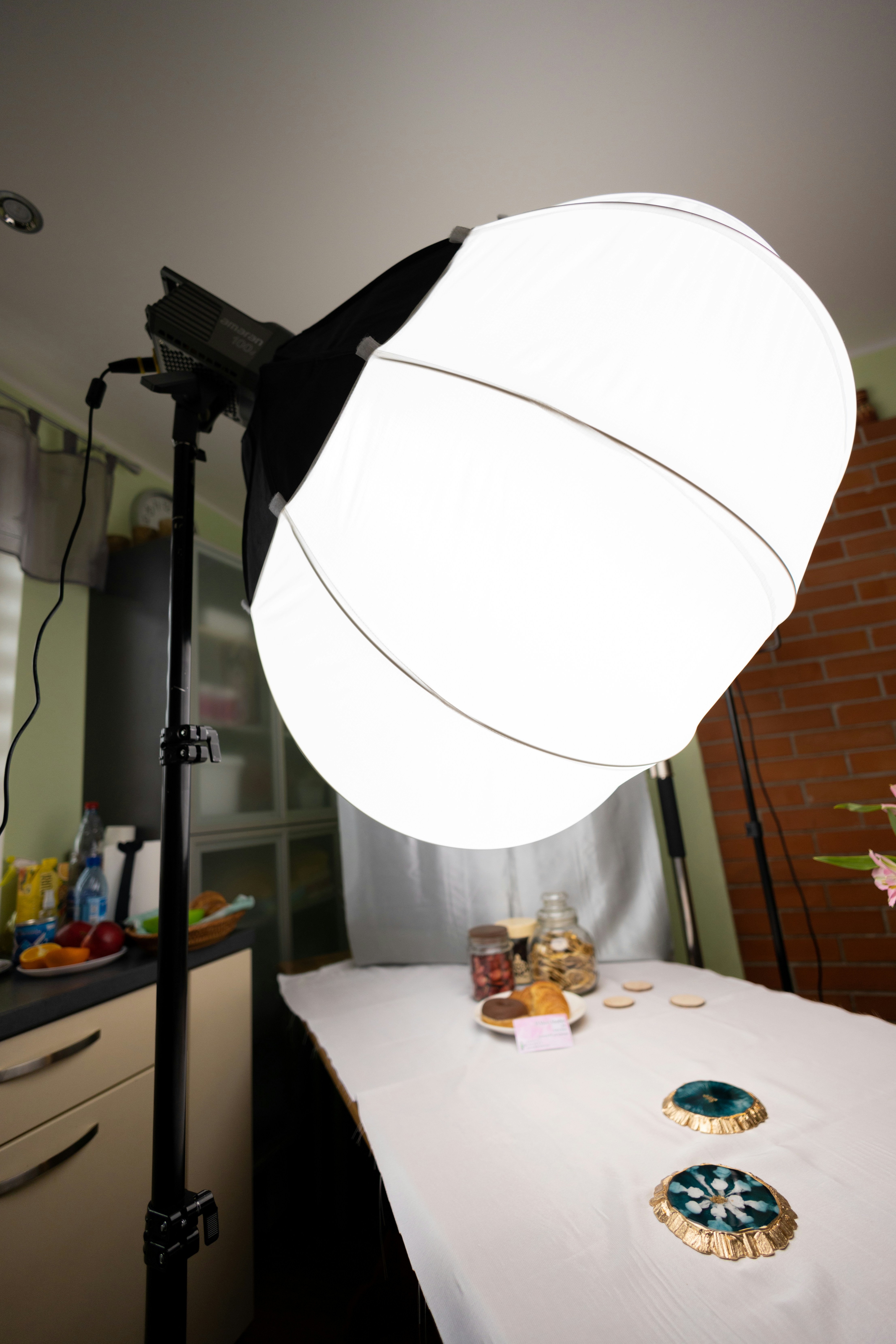
When it comes to food photography, mastering composition is essential for creating visually appealing images. One effective approach is to pay close attention to lighting. Natural light is often the most flattering for food photography, as it enhances colors and textures without overwhelming shadows. Positioning your subject near a window can provide beautiful illumination. If shooting indoors, consider the time of day; mornings and late afternoons generally offer the softest light.
In addition to lighting, the choice of props and background plays a critical role in composition. Select props that complement the food without dominating the shot. For instance, using rustic wooden boards or textured linen can add warmth and interest, while keeping the foreground clear allows the food to take center stage. The background should be unobtrusive yet aesthetically pleasing, allowing the dish to shine.
Color harmony is another vital aspect of composition. Aim for a color palette that is balanced and pleasing to the eye. This could involve using contrasting shades to make the food pop or opting for harmonious colors that evoke a specific mood. Combining various textures can also enhance the composition by adding depth and dimension to the final image.
Experimentation is key in food photography. Try different angles, Stylistic choices, and arrangements to discover what works best for each dish. Shooting from above can be particularly effective for flat-lay compositions, while eye-level shots may highlight the plate’s height and layers. Additionally, post-processing can significantly improve the final image. Utilizing editing software to adjust exposure, contrast, and color balance can elevate a photo and help achieve the desired look.