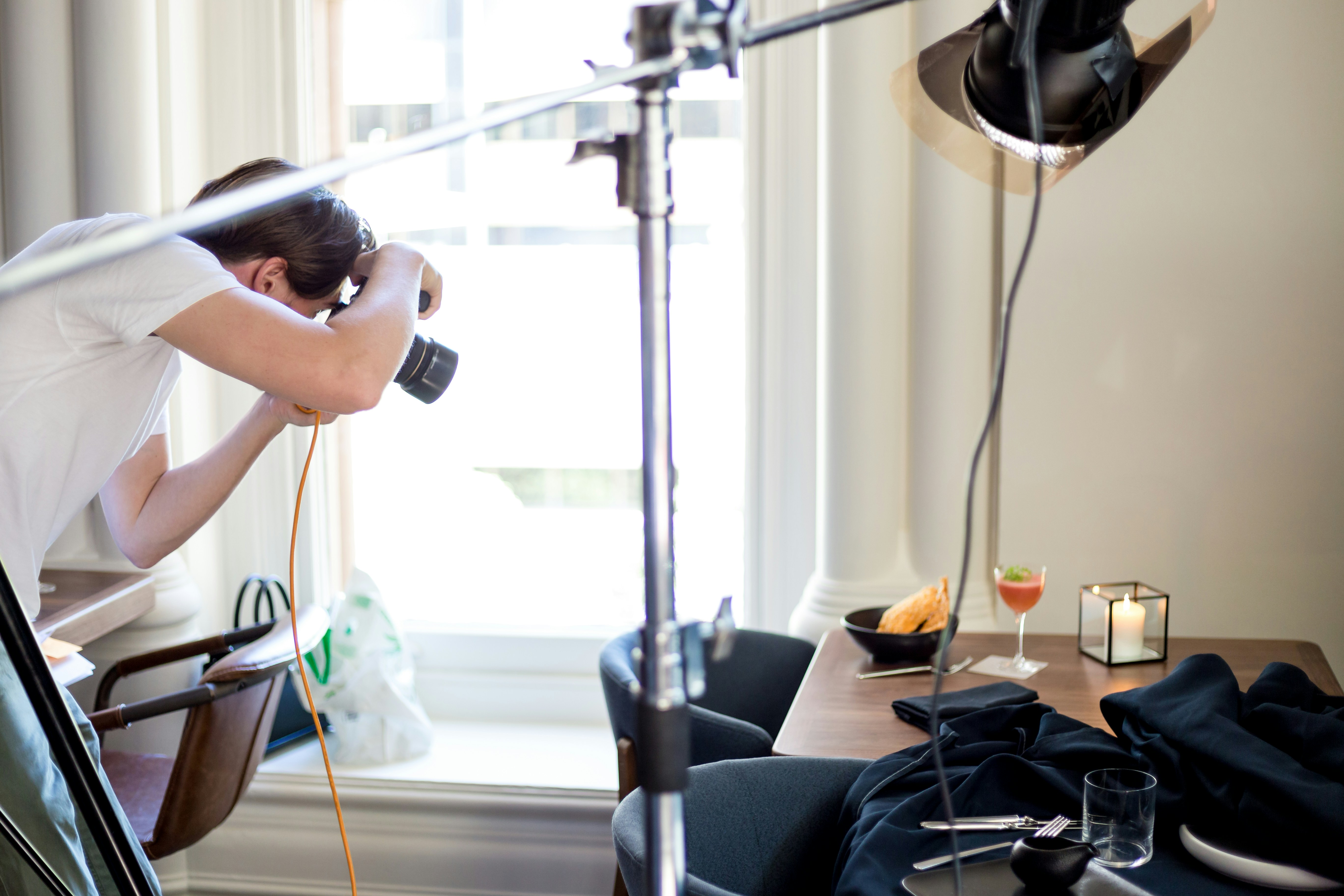
Understanding Aperture and Depth of Field in Food Photography
What is Aperture?
Aperture is a fundamental concept in photography that significantly influences the outcome of an image. It refers to the opening in a camera lens that allows light to enter and reach the sensor. The size of this opening is described in terms of f-stops, a numerical scale where a lower f-stop number indicates a wider aperture, allowing more light to penetrate, and a higher f-stop number indicates a narrower aperture, resulting in less light. This relationship between aperture and light is crucial for achieving balanced exposure in photographs.
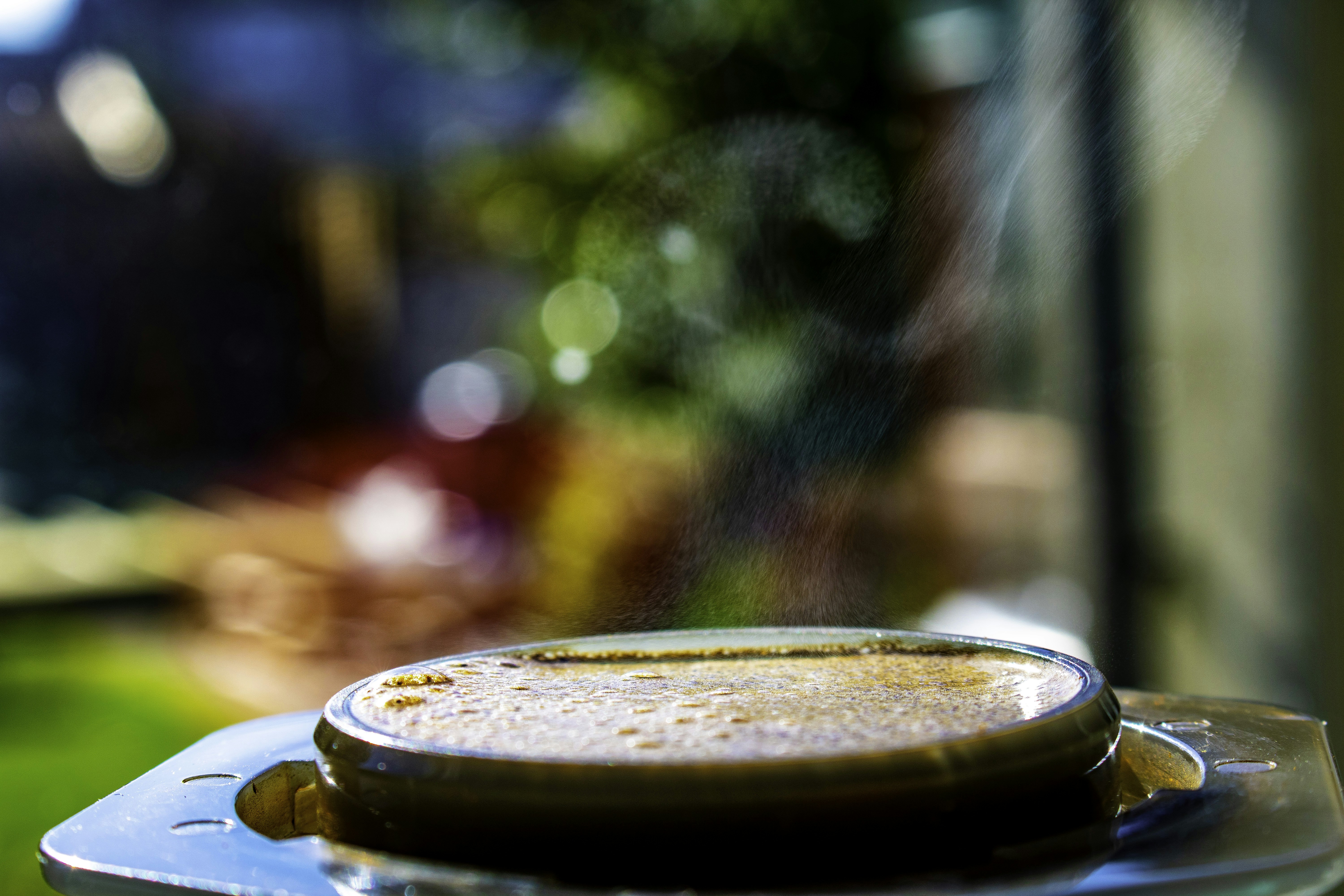
In practical terms, adjusting the aperture not only controls the amount of light entering the camera but also has profound effects on the image’s exposure and overall aesthetic quality. A wider aperture (for instance, f/2.8) lets in more light, making it ideal for lower light conditions; however, this setting also produces a shallower depth of field, leading to blurred backgrounds that help emphasize the subject. This effect is particularly beneficial in food photography, `where the main subject often needs to stand out against a softer backdrop.`
Conversely, using a narrower aperture (such as f/11 or f/16) allows for less light to enter while increasing the depth of field. This means more elements within the composition are in focus, which can be advantageous when capturing intricate details of food presentations. The depth of field can significantly affect how viewers perceive the image, making precise aperture settings essential for food photographers aiming to highlight textures, colors, and the overall composition of their subject.
The Importance of Depth of Field in Food Photography
Depth of field (DoF) is a crucial element in food photography, as it significantly influences the viewer’s perception and experience of the image. By manipulating DoF, photographers can control which elements of a composition are sharply rendered and which fade into a soft blur. This technique is particularly important in food photography, where the primary goal is to showcase the beauty and appeal of the dish. Awareness of DoF can enhance storytelling, directing the viewer’s focus toward specific details that evoke taste and emotion.
The aperture setting of a camera plays a primary role in determining the depth of field. A larger aperture (represented by a lower f-number) results in a shallower depth of field, allowing for striking images where the main subject stands out crisply against a dreamy background. Conversely, using a smaller aperture (higher f-number) increases the depth of field, which is beneficial when capturing an entire spread of dishes, ensuring that all elements remain in sharp focus. Photographers can creatively decide based on the mood they wish to convey in their food photography.
Moreover, focal length and distance from the subject also influence depth of field. A longer focal length narrows the DoF, creating a blurred background while emphasizing the primary subject, making it an effective choice for highlighting specific textures and details like the glistening glaze of a dessert or the grains of rice in a bowl. Conversely, shooting from a closer distance or with a shorter focal length can yield a wider depth of field, suitable for establishing context in a larger setting. Ultimately, understanding and utilizing depth of field in food photography is essential, as it allows photographers to tell a compelling story through visuals, enhancing the overall composition and viewer engagement.
How to Control Depth of Field with Aperture Settings
In food photography, mastering the relationship between aperture and depth of field is crucial for achieving stunning images. Aperture, expressed in f-stops, defines the size of the lens opening; this consequently dictates how much light enters and how depth is perceived in the photograph. A wider aperture, such as f/2.8, creates a shallow depth of field, effectively blurring the background and foreground, allowing the main subject to stand out. This technique is particularly beneficial for close-up shots, where the focus is on specific food elements, such as the texture of a cake layer or the syrup dripping from a pancake.
Conversely, when aiming for images that encompass more of the overall scene, such as a wider table setting, narrowing down the aperture to values like f/8 or f/11 can be advantageous. These settings create a deeper depth of field, ensuring all elements within the frame are in sharp focus, from the foreground elements to those further back. This technique not only highlights the various dishes placed on the table but also provides context to the setting in which the food is presented.
Additionally, consider your creative goals when deciding on the aperture setting. For a soft, dreamy effect that draws attention to a beautifully styled dish, employing a shallow depth of field will serve to isolate your subject, making it extremely eye-catching. Alternatively, if you wish to tell a story that includes both the food and its surrounding environment, a deep depth of field maintains focus on all aspects of the composition. Experimenting with various aperture settings will empower you to discover the most effective techniques for your unique food photography style, ultimately enhancing the overall visual appeal of your work.
Examples and Techniques for Food Photographers
Food photography has evolved into a powerful medium for showcasing culinary artistry, and understanding how to manipulate aperture and depth of field (DoF) is crucial for capturing enticing images. A notable example can be found in the work of various professional food photographers who skillfully use a wide aperture setting to achieve a shallow depth of field. This technique not only isolates the subject, making it the focal point of the image, but also beautifully blurs the background, allowing the viewer to appreciate the textures and colors of the food without distraction.
For instance, a shot of a decadent chocolate cake can be enhanced by a wide aperture (such as f/2.8 or f/4), drawing attention to the moist layers and glossy icing while softly fading the table setting into a gentle bokeh. Conversely, photographers may choose to utilize a narrower aperture to achieve a greater depth of field in scenarios where multiple dishes need to be in focus, such as a vibrant brunch spread. In this case, an aperture setting like f/11 or f/16 can capture all elements crisply, painting a complete picture of the meal.
Experimentation plays a vital role in developing a signature style. Food photographers should feel encouraged to try varying their settings and distances from the subject. For example, shooting at different angles can yield distinct perspectives, whether it’s a bird’s eye view of a colorful salad or a low angle shot that captures the height of a towering burger. By using these techniques along with careful consideration of light and composition, photographers can turn ordinary food shots into captivating visual stories that provoke appetite and interest. Ultimately, the artistic side of food photography lies in how creatively one can manipulate aperture and depth of field to tell a delicious story through images.