How to Take Professional Food Photos at Home Using Your Smartphone
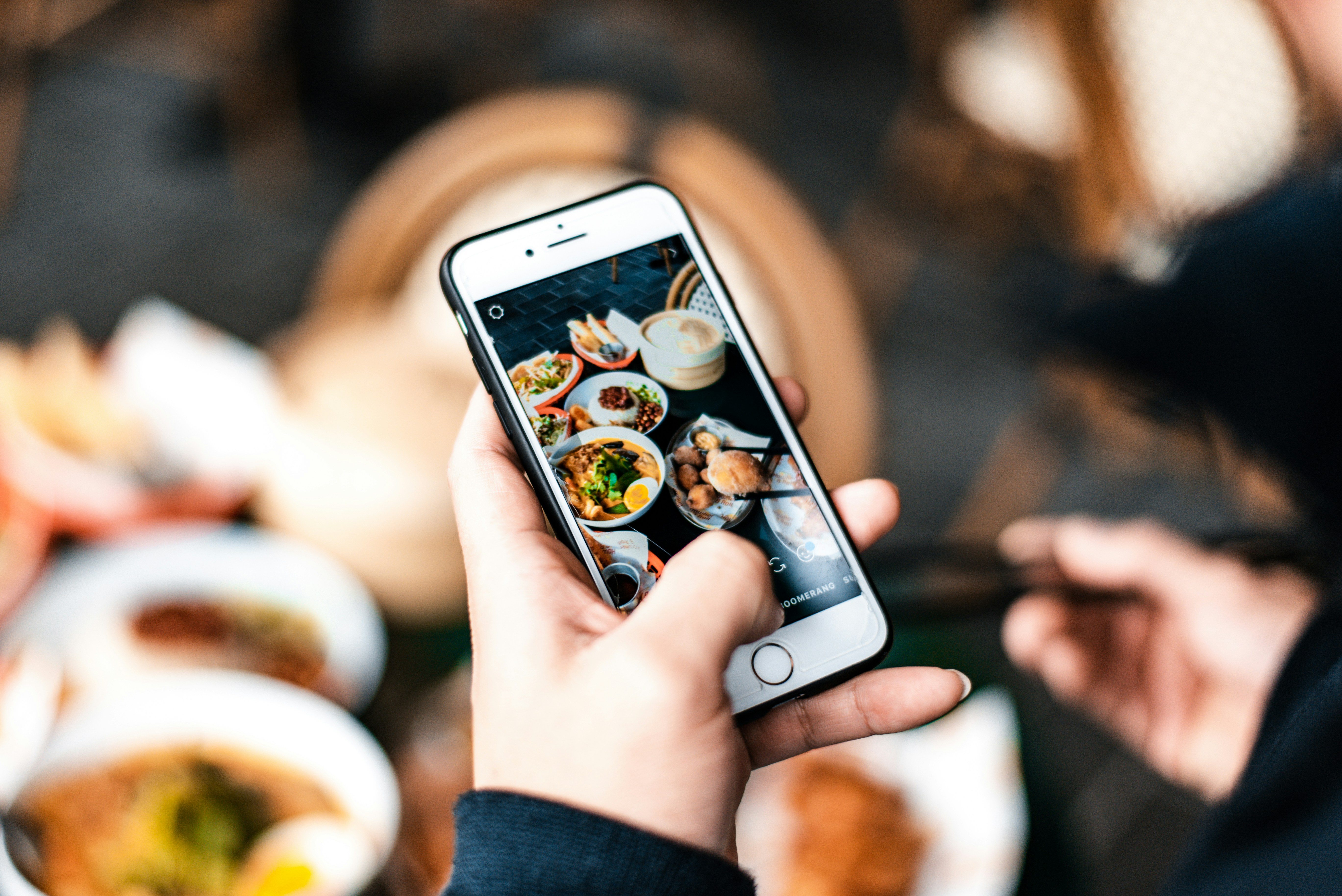
Understanding the Basics of Food Photography
Food photography involves a series of techniques that focus on the visual presentation of food. To effectively capture mouthwatering images, one must understand key concepts such as composition, lighting, and styling. These elements are essential for creating enticing photographs that can elevate the overall aesthetic of your culinary creations.
One of the fundamental principles of composition in food photography is the rule of thirds. This technique entails dividing your image into three equal parts, both horizontally and vertically. Important elements of the photograph, such as the food, should then be placed along these lines or at their intersections. This method draws the viewer’s eye and creates a more dynamic and engaging image.
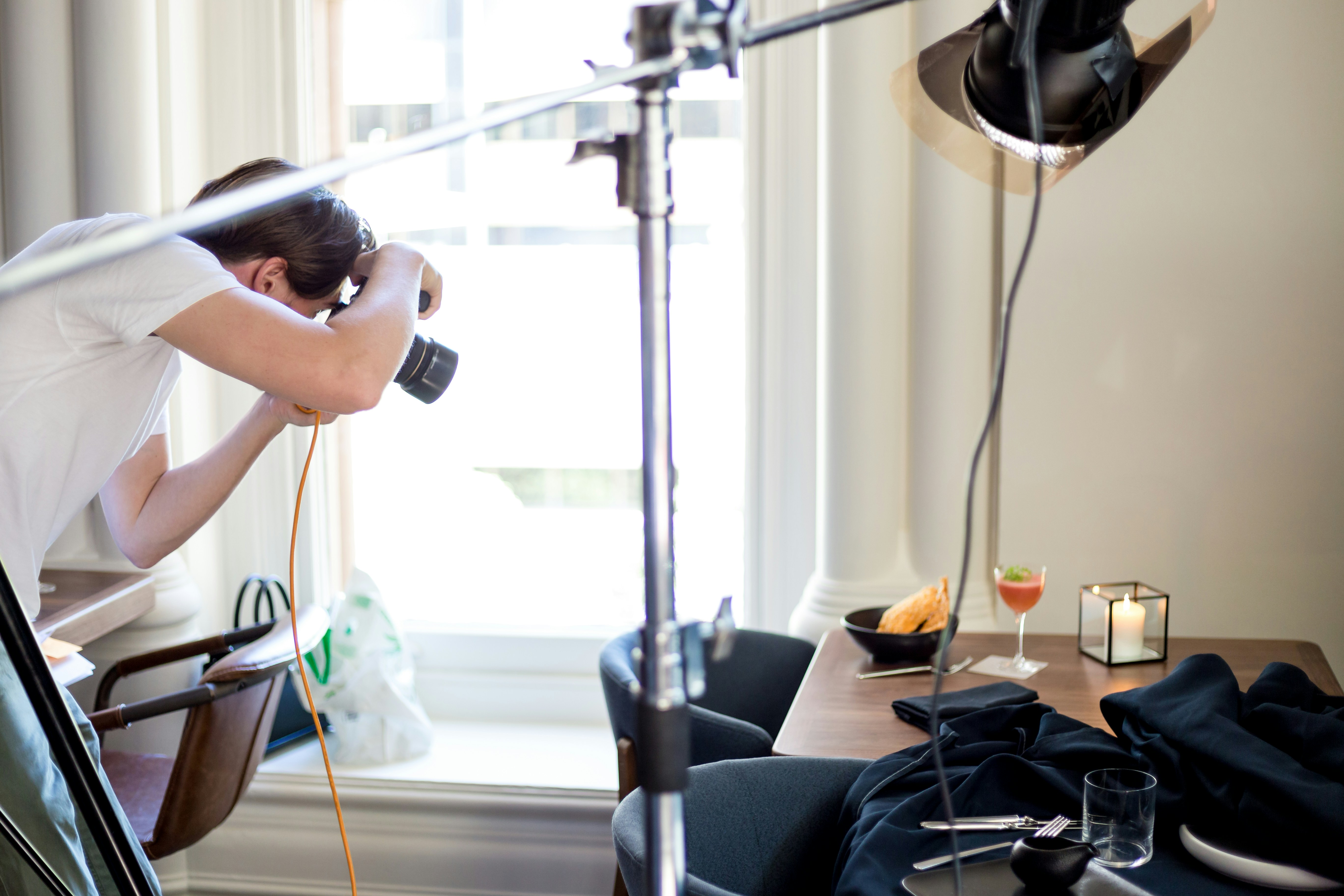
Lighting is equally crucial in the realm of food photography. Natural light is often the preferred choice, as it enhances textures and colors without the harsh shadows that artificial light can create. Positioning your food near a window, preferably during the golden hour, can yield beautiful results. The direction and quality of light can dramatically alter the appearance of the dish, making it vital to experiment with various angles and settings to find the most flattering conditions.
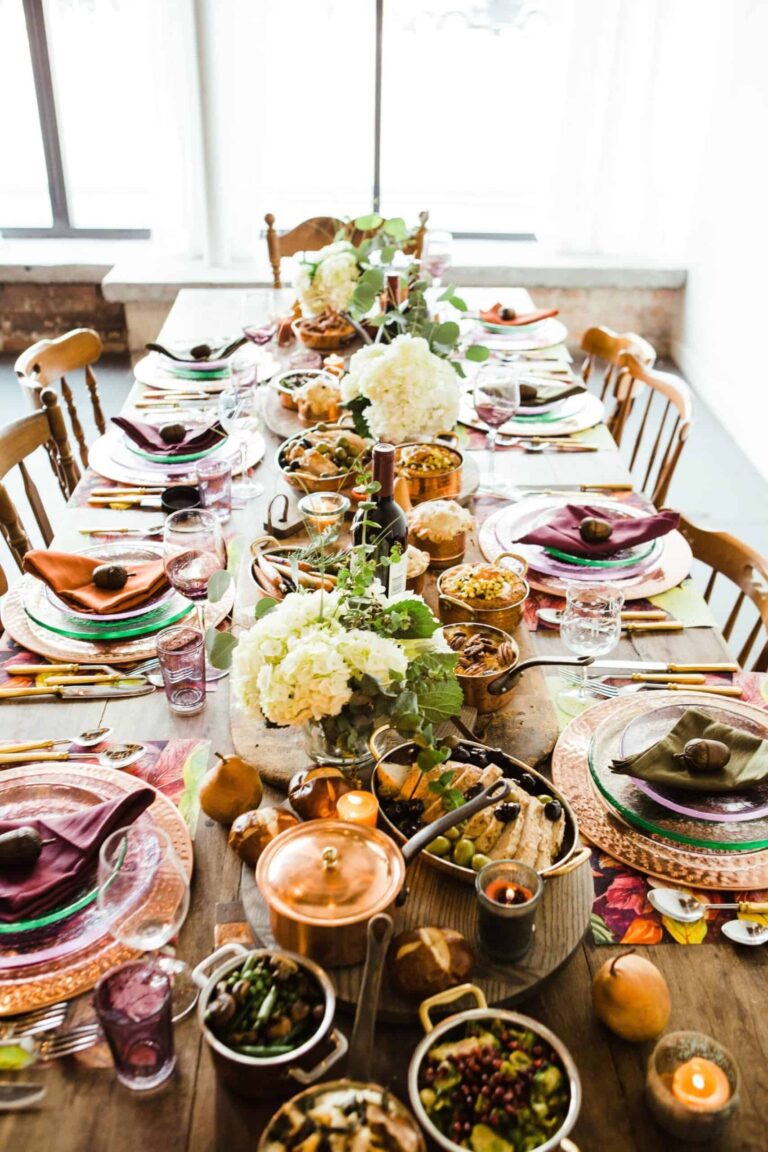
Styling is another key aspect that should not be overlooked. Arranging food in an appealing manner can greatly influence the final image. Use simple props like linen napkins, dinnerware, and cutlery to create depth and contrast. Ensure that the background complements rather than distracts from the dish, and consider using fresh ingredients or herbs to add a pop of color. When styling, think about balance and harmony, allowing the food to be the star of the image.
By applying these foundational concepts of food photography—composition, lighting, and styling—one can significantly enhance their smartphone images, resulting in professional-looking photos that effectively showcase culinary delights.
Choosing the Right Equipment and Tools
Capturing professional quality food photos using your smartphone is achievable with the right equipment and tools. First and foremost, consider the features of your smartphone camera. Most modern smartphones come equipped with advanced camera capabilities such as multiple lenses, optical zoom, and adjustable settings, which can greatly influence the quality of your images. For example, smartphones with a wide aperture allow more light to hit the sensor, resulting in better photos in low-light conditions, which is essential when photographing food.
In addition to your smartphone’s inherent capabilities, accessories can enhance your food photography experience. A tripod is one of the most beneficial tools to stabilize your shots, especially in low-light environments or when taking long exposures. It helps manage shake and ensures consistency in your framing, composition, and focus. Furthermore, a smartphone tripod with adjustable height and angles provides versatility for capturing your dishes from various perspectives.
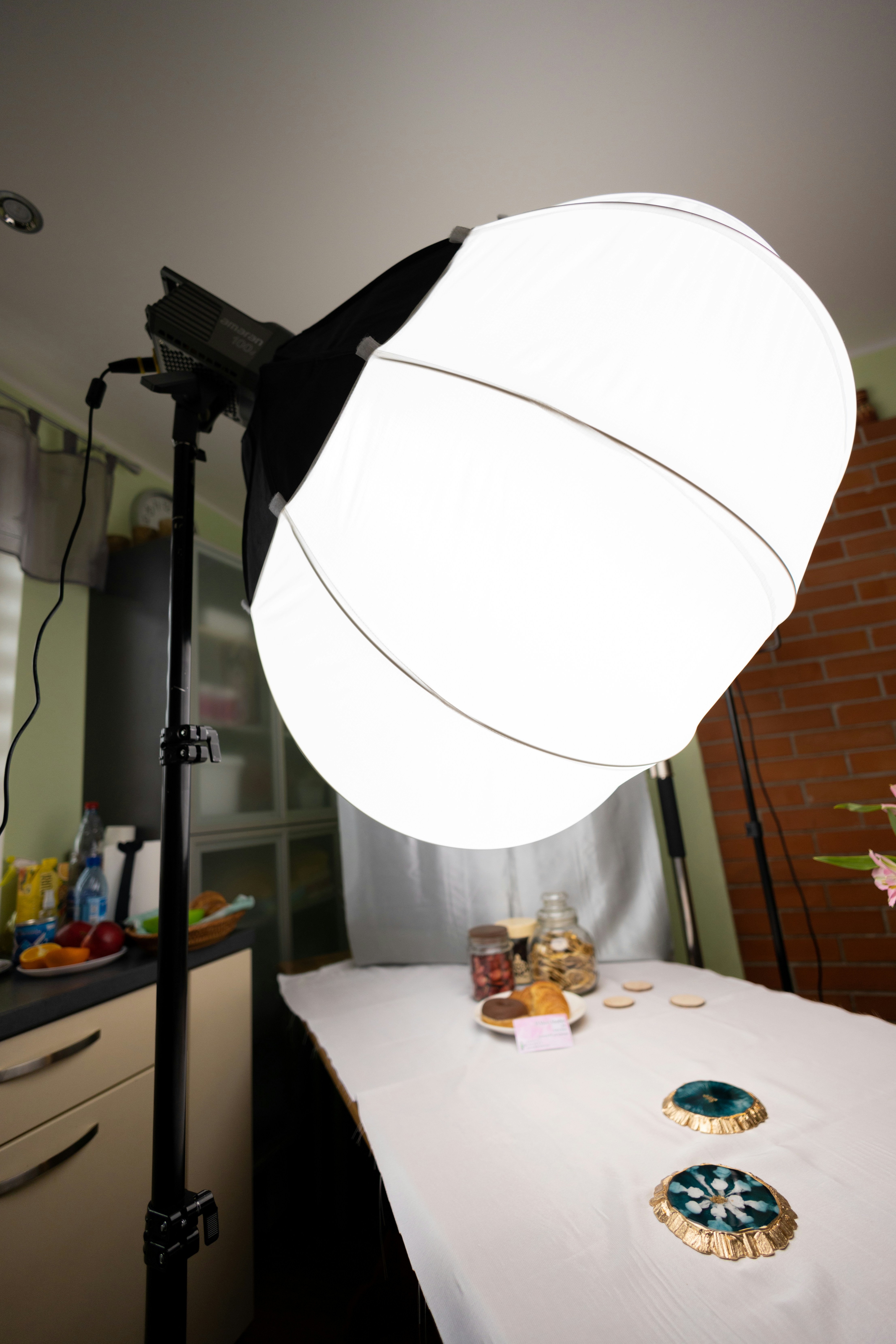
Another useful accessory is a reflector, which helps bounce light onto the food you are photographing. Natural light is often the best choice for food photography, but diffusing soft light can make a significant difference in the final image. Various inexpensive reflectors made from foam boards or silver/gold surfaces can be precisely controlled to achieve the best lighting.
Furthermore, enhancing your smartphone photography with specialized applications is crucial. Numerous apps such as Snapseed, Adobe Lightroom, and VSCO provide advanced editing features that can allow you to adjust brightness, contrast, saturation, and sharpness, empowering you to optimize the food photos right from your device. These features assist in transforming an ordinary photo into an eye-catching masterpiece, allowing for a professional touch to your culinary captures.
Styling Your Food for the Camera
When it comes to food photography, presentation plays a vital role in appealing to the audience. Proper food styling can enhance the overall aesthetic of the dish, making it more enticing. One effective strategy is to consider the garnishes you use. Fresh herbs, edible flowers, or a drizzle of high-quality oil can add color and vibrancy to your dish, drawing the viewer’s attention. The key is to enhance, not overwhelm; minimalistic garnishes often photograph better than elaborate ones.
Selecting the right plates and props is crucial for food styling as well. Choose tableware that complements the colors of the dish. For example, a vibrant salad looks stunning when served in a white plate, whereas a hearty stew might be better showcased on a rustic bowl. Additionally, props such as utensils, cloth napkins, or a stylish table runner can create context and enhance the composition of your photograph.
A clean and uncluttered background is essential for focused shots. Opt for neutral or soft pastel backgrounds that allow the dish to take center stage. If your kitchen has textured surfaces, you can use them strategically to add depth; however, ensure that they do not distract from the main subject. Create contrast in your images by using a background that highlights the dish. For example, a bright dish can be complemented well by a muted background.
In terms of texture, a mix of soft and hard elements can create visual interest. An example would be pairing creamy mashed potatoes with crispy roasted vegetables—this combination not only adds taste but also improves the photo. Overall, consider the balance of color, texture, and patterns when styling your food. Experimentation is encouraged; the more you play around with these elements, the better you will understand how to create captivating food images.
Editing and Enhancing Photos for the Best Results
Editing plays a crucial role in elevating your food photography, allowing you to present your culinary creations in the best possible light. With the advancements in smartphone technology, various apps offer user-friendly interfaces that can turn a good photograph into a great one. Key elements to focus on during the editing process include brightness, contrast, saturation, and cropping.
Adjusting the brightness of your image can significantly alter its feel. Increasing brightness can make your food appear more vibrant, while decreasing it can create a moodier atmosphere. Contrast adjustments help in differentiating between light and dark areas, thus adding depth to your photos. Often, a slight increase in contrast can make colorful dishes pop, enhancing the overall appearance.
Saturation is another critical aspect. Enhancing saturation can bring out the vivid colors of the ingredients, making the dish look more appealing. However, it’s essential to exercise moderation when adjusting these settings, as over-saturation can lead to unrealistic images. Cropping is equally important and allows you to focus on the dish itself. A well-cropped photo removes distractions and guides the viewer’s attention directly to the food.
To further polish your images, consider implementing filters. Many photography apps provide a range of filters that can enhance the aesthetics without overpowering the original image. The goal is to enhance the natural beauty of the food rather than completely alter its appearance. Lastly, minor touch-ups, such as removing unwanted spots or shadows, can help ensure your photos are as polished as possible.
In conclusion, utilizing smartphone editing tools effectively can elevate your food photography, making it not just appetizing but visually stunning. By mastering these basic editing techniques, you will be able to create attractive images that are ready for sharing or publication, showcasing your culinary skills to their fullest potential.